
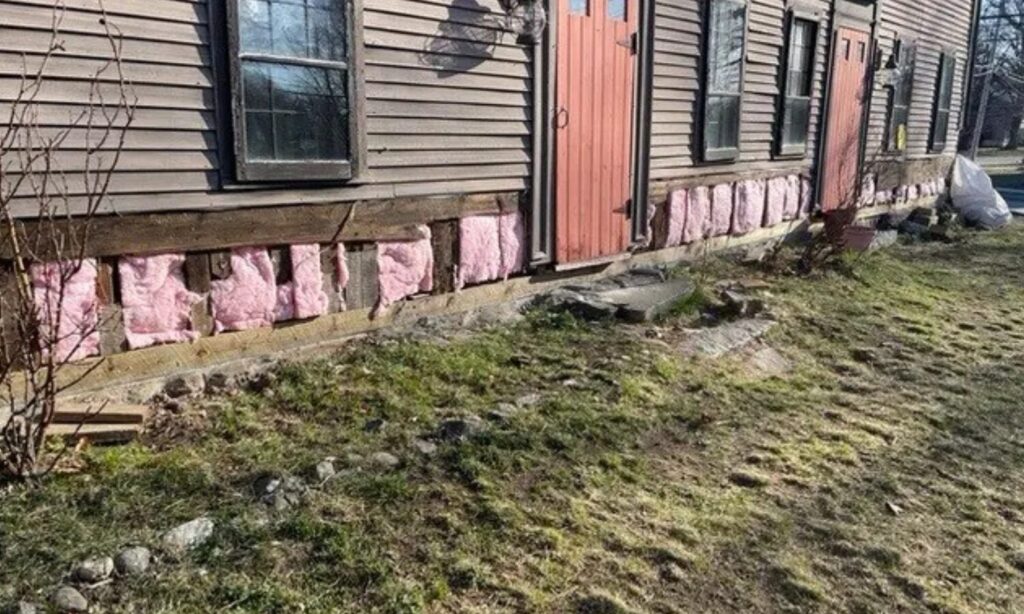
For more than 20 years, we’ve seen how quickly New England’s colonial and historic homes can take a beating from the weather. Time and again, we find the problem is the sill beam, particularly in water-damaged sill beams. This is common in historic barns as well.
Homeowners ask us all the time: Do my sill beams need to be replaced, or can they be saved? The truth is, it depends. In many cases, the issues with the sills can vary, and the real problems aren’t obvious to the naked eye. That’s when a structural inspection could be vital to identifying the underlying issue.
Think of sill beams as your home’s first line of defense. They tie the house to the foundation and give the whole structure a strong, steady base. They also support the perpendicular joists/beams framing the first floor and the vertical load of the perimeter of the home.
When sill beams begin to rot from water damage, it’s a bigger issue than wood decay; it can lead to sagging floors, shifting walls, and long-term instability. If left unaddressed, failing sill beams will quickly compromise your home’s structural integrity.
Living in New England means your home battles the elements year-round. Some of the biggest culprits behind sill beam damage include:
Even slow leaks or minor grading issues can cause major damage over decades. Water damage can be preventable – check out our blog on the 5 Ways to Prevent Water Damage from Weakening Your Home’s Foundation.
Not every sill beam needs a full replacement. If there is only a section of sill that is compromised, a piece can be half lapped in to connect it to the original sill. Be cautious using epoxy or other products.
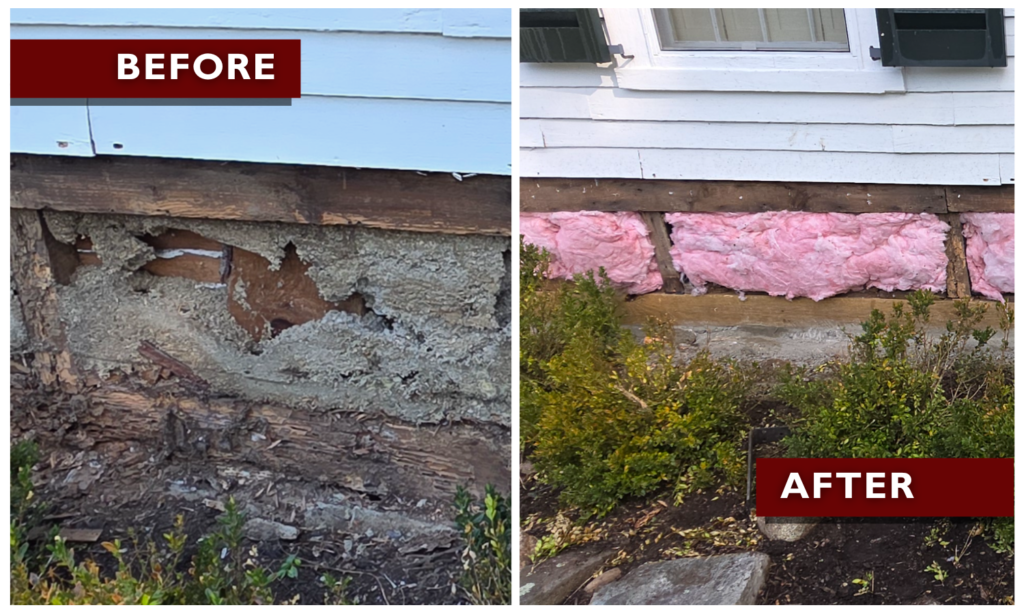
If sill beams are too far gone, repair won’t cut it. Full replacement is the only safe option when:
Other symptoms include sagging floors, cracked plaster, or windows that don’t close properly.
Replacing sill beams is a big job, but it’s the right move when safety and stability are on the line. It involves carefully lifting the structure, removing the rotted timber, and installing a new sill beam that will last for decades. It’s important to use full size timbers and traditional joinery. If the new sill isn’t wide enough, it won’t adequately support the perpendicular joists/beams. It’s also critical to ensure that the vertical studs/ posts are connected correctly.
Old homes have stood the test of time for centuries, but even they need help once in a while. Addressing water-damaged sill beams early is the best way to protect both the safety and the historic character of your home.
Good news – at Colonial Restorations, this is exactly what we do every day. We know the right way to repair or replace sill beams, with time-tested techniques and tools, so your home stays strong for generations to come.
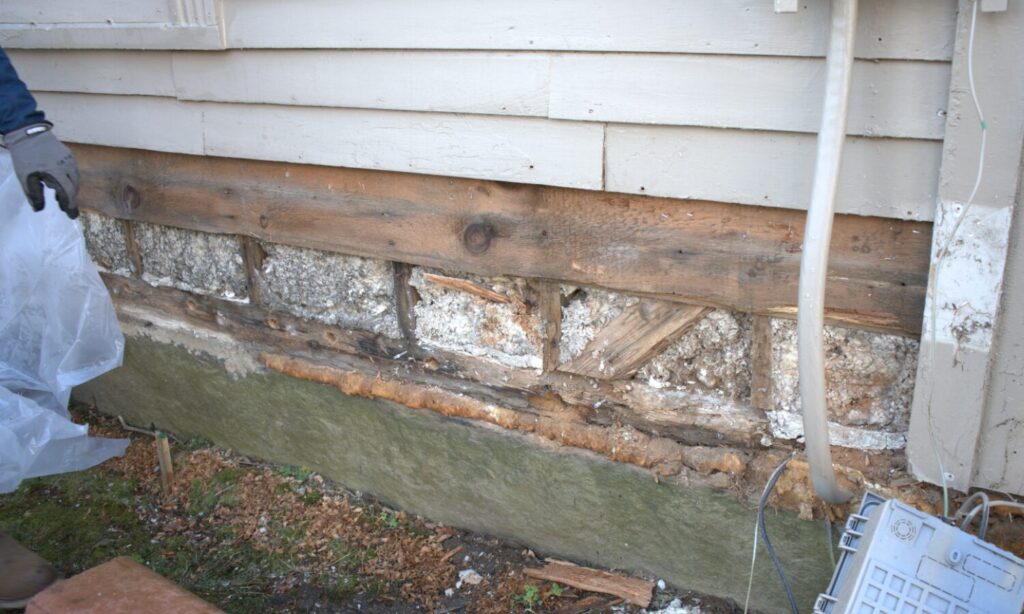
If you’ve spotted signs of rot, sagging floors, or water and insect damage around your foundation, don’t wait. Give us a call and let’s take a look.
Learn more at cr1981.com. Schedule an inspection by calling Brad at 508-735-9900.