
Water damage is what happens when moisture gets into places it doesn’t belong and stays there.
This can come from:
Once water gets in, it slowly breaks materials down over time.
In old historic and colonial homes throughout New England, water damage is especially problematic because of how these homes were originally built. Many rely on solid wood beams, posts, and sill timbers, often sitting closer to the ground and resting on stone or fieldstone foundations. These foundations naturally allow moisture to move through them, and most of these homes were constructed long before modern moisture barriers existed. Over time, repeated exposure to damp conditions causes wood to absorb moisture, soften, and rot. As the wood weakens, it loses its ability to carry weight, insects are drawn to the damp material, and seasonal freeze-thaw cycles can cause foundations to shift or settle.
Acting quickly is critical because water damage is rarely dramatic at first. It usually develops quietly and worsens little by little. When addressed early, repairs tend to be smaller, less invasive, and far more affordable, and original historic materials can often be preserved. When ignored, the damage spreads, leading to sagging floors, structural instability, and the need for extensive restoration work that can compromise the home’s historic character.
If you’ve spotted signs of rot, sagging floors, or water and insect damage around your foundation, don’t wait. Give us a call and let’s take a look. Schedule an inspection by calling Brad at 508-299-5060.
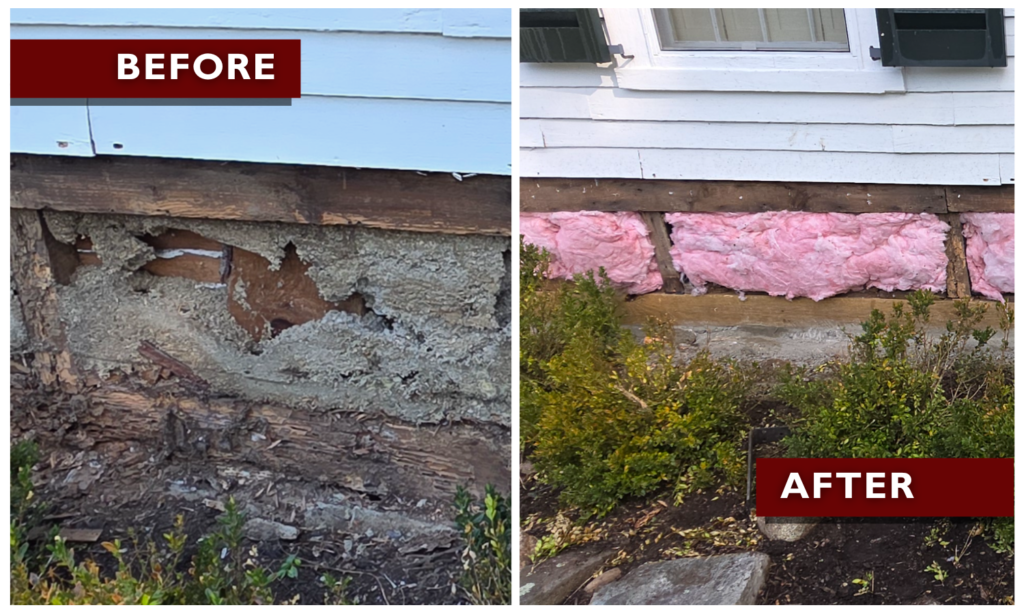
For more than 20 years, we’ve seen how quickly New England’s colonial and historic homes can take a beating from the weather. Time and again, we find the problem is the sill beam, particularly in water-damaged sill beams. This is common in historic barns as well.
Homeowners ask us all the time: Do my sill beams need to be replaced, or can they be saved? The truth is, it depends. In many cases, the issues with the sills can vary, and the real problems aren’t obvious to the naked eye. That’s when a structural inspection could be vital to identifying the underlying issue.
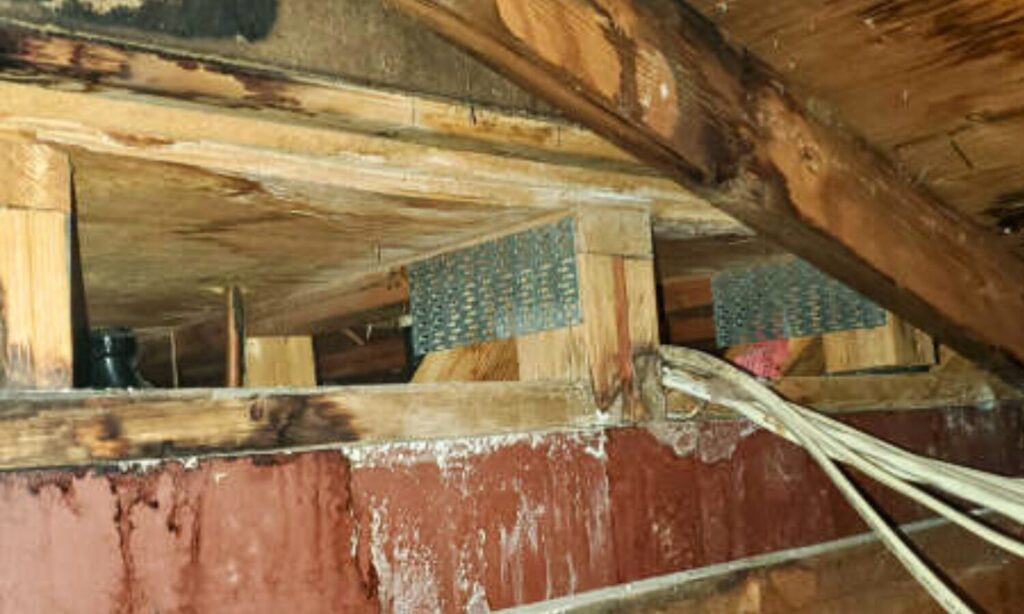
For historic Colonial and post & beam homes, keeping the foundation strong is essential to preserving both structural integrity and long-term value. The biggest culprit is water damage.
Myth: Only a major flood can damage a historic home.
Truth: Even a slow, unnoticed drip or poor grading over just a few seasons can quietly cause more harm than one big storm.
Water intrusion is often gradual and invisible until the effects are severe. Left unchecked, it can rot sill beams, weaken joinery, shift walls, and cause floors to sag.
The good news: there are simple, proactive steps every homeowner can take to protect their home’s foundation.
Sagging floors caused by past water damage are a sign that the structure beneath the floor has been weakened over time. Even if the original water issue appears to be resolved, the damage left behind can continue to affect the stability of the home if it’s not properly addressed.