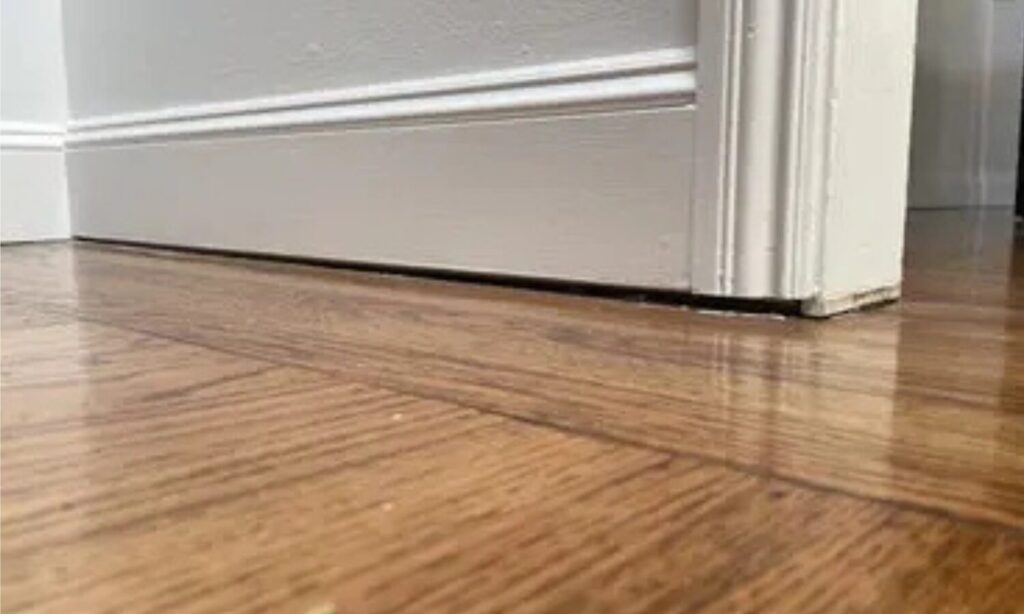
Sagging floors are a common issue in historic and colonial-era homes, especially throughout New England. Uneven flooring are often signs of underlying structural problems that should not be ignored. Left unaddressed, sagging floors can compromise the integrity of the entire structure.
As structural restoration specialists, our job is to identify why the floor is sagging, address the root cause, and restore properly, without damaging the historic fabric of the home.
Sagging floors are often a symptom, not the problem itself. Ignoring them can lead to:
Cracked plaster or drywall
Doors and windows that stick or won’t close properly
Increased stress on framing and connections
Progressive structural failure over time
Addressing sagging floors early helps prevent more invasive and costly repairs down the road. Call Brad at 508-290-5298 and schedule a structural evaluation today.
If you own an old or historic home and notice uneven or bouncy floors, you’re not alone. Uneven or sloping floors are one of the most common features found in historic and antique homes, especially those built before modern construction standards (pre-1900). The good news is it’s usually fixable once you understand what’s causing it.
If not addressed, water damage can quickly lead to widespread structural deterioration
Wood framing can rot and lose strength, foundations can shift due to soil erosion or freeze-thaw movement, and mold or insects can accelerate deterioration. Because this damage often occurs out of sight, a small issue can quickly spread and lead to widespread structural deterioration if left untreated.