
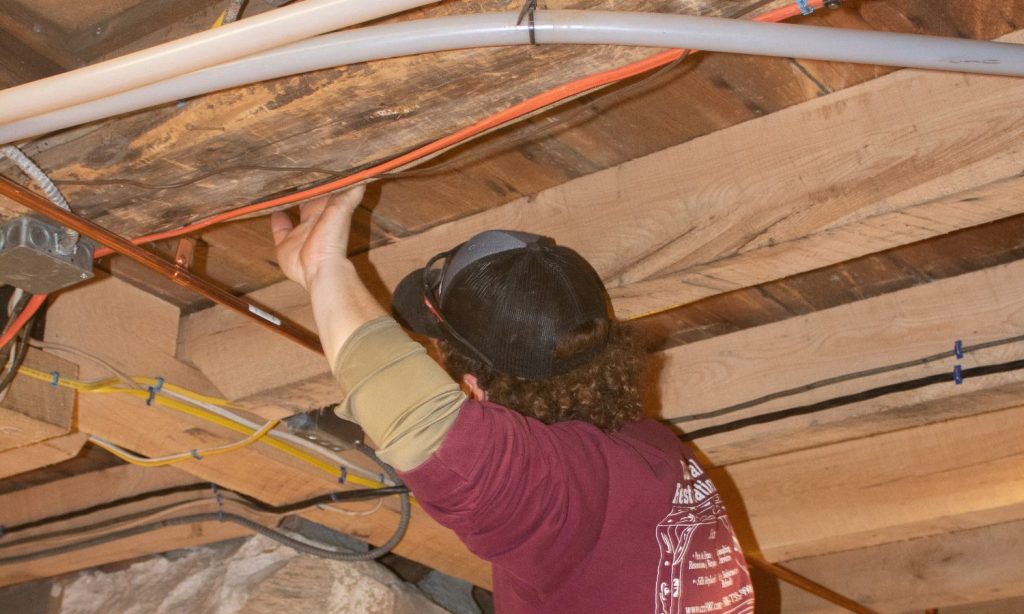
As the snow melts and temperatures start to rise, Spring is the perfect time to take a closer look at your property and catch small issues before they turn into costly structural repairs.
If something doesn’t look quite right, it’s always better to address it sooner rather than later. If you own a centuries-old farmhouse or a post-and-beam barn, you already know that historic properties come with their own set of quirks, and Spring is when issues like sill rot can start to show if they’ve gone unnoticed.
The tricky part is that many structural problems aren’t always visible at first glance. That’s why this time of year is also ideal for bringing in a professional for a structural inspection.
In the meantime, here’s a simple Spring checklist to help you take a closer look and stay on top of the structural health of your home or barn.
Before diving into details, take a slow walk around your home or barn. This first pass is all about spotting anything that looks off after the winter months.
Keep an eye out for…
Historic homes settle over time, but sudden or noticeable changes could point to underlying structural damage caused by winter stress.
Your foundation does a lot of heavy lifting, especially during winter when frost heaves and expanding soil can shift things around.
In the Spring, check for things like…
Even small cracks can allow water in, which leads to rot, mold, and long-term structural repair needs if left unaddressed.
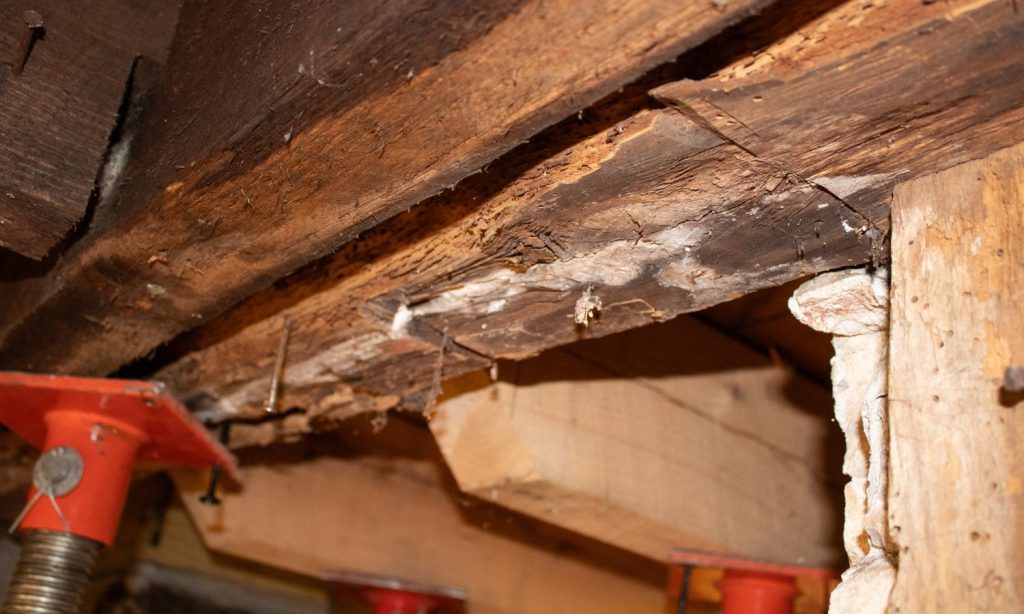
One of the most common issues we see in historic homes is rotting sill beams, especially after a wet and chilly winter.
Pay attention to the signs, such as…
Moisture buildup, combined with age, makes these areas especially vulnerable. Left untreated, this kind of deterioration can lead to serious structural damage and compromise the integrity of your home.
When the snow melts, all that water needs somewhere to go. If your property isn’t draining properly, it can quickly lead to problems.
This is what to look out for:
Improper drainage is one of the leading causes of long-term structural issues in historic homes, and one of the most preventable.
Heavy snow loads can put significant pressure on your roof structure, especially in older barns or homes with original framing.
Look for:
These can all be signs that your structure has shifted under winter weight and may need professional structural inspection of the sills or beams underground.
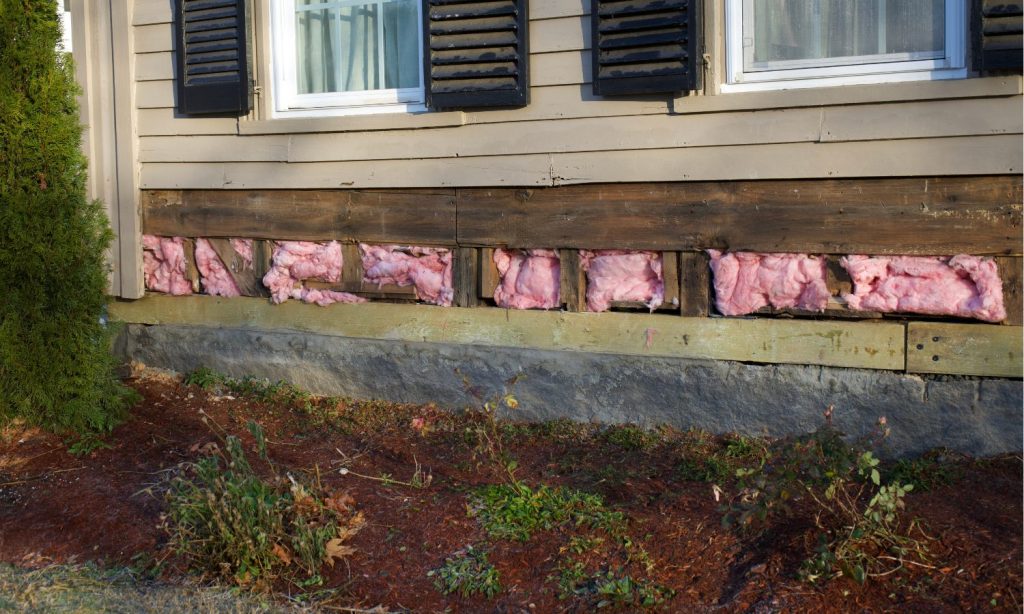
Some of the most important clues are hidden below.
In your basement or crawl space, check for…
This is where early signs of structural damage often show up first, especially after snowmelt.
If you own a historic barn, Spring inspections are especially important. These structures often face direct exposure to the elements and may not have been updated in decades.
Look closely at…
Barns are incredibly resilient, but once structural components begin to fail, timely structural restoration is key to preserving them.
Not all structural issues are obvious from the outside.
Inside your home, keep an eye out for…
These subtle changes can signal deeper structural movement that’s worth investigating.
If anything on this checklist raises a red flag, it’s worth bringing in a professional for a thorough structural inspection.
At Colonial Restorations, we specialize in working with historic homes and barns, understanding how these structures were built and how to properly restore them without compromising their character.
A professional inspection can:
Owning a historic home or barn comes with a unique sense of pride and responsibility. Seasonal maintenance isn’t just about upkeep; it’s about preserving craftsmanship and history.
By taking the time each Spring to assess your property, you can catch issues early, avoid costly repairs, and extend the life of your structure for generations to come.
If you’re noticing signs of wear, damage, or change after this winter, don’t wait.
Schedule a structural inspection with Colonial Restorations and make sure your home is ready for the seasons ahead.