
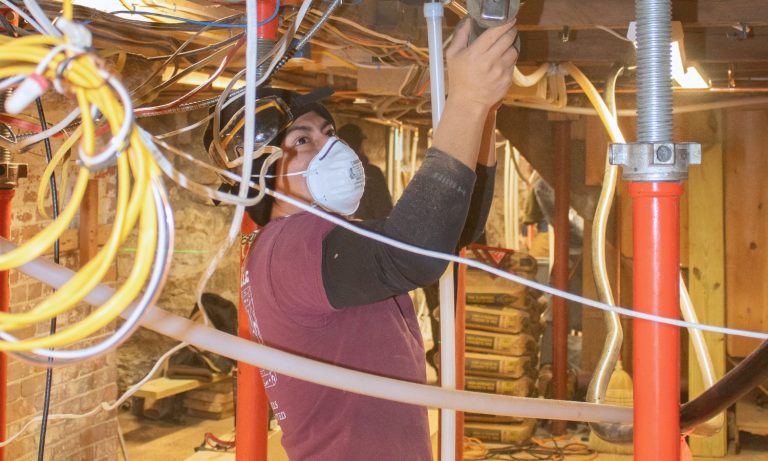
Many potential homeowners ask themselves the same question when considering an older home: Is it worth the risk?
Our answer is often yes. If you’ve found a home with the character, craftsmanship, and charm you’re looking for, don’t be too quick to walk away.
The real question becomes: what happens when your dream antique home comes with structural damage?
For many New England home buyers, discovering foundation issues, rotted beams, sagging floors, or signs of settlement can feel like a deal breaker. The good news is that structural damage does not automatically mean an old home isn’t worth buying. In many cases, these issues can be repaired.
The key is understanding the extent of the damage and what it may take to correct it before you move forward with the purchase. That’s why we always recommend a pre-purchase structural evaluation when it comes to buying any old house or barn.
In this blog, we’ll explore the common risks, repair opportunities, and important factors to consider when buying a colonial or historic home with structural concerns.
Unlike modern homes, historic properties have been exposed to decades, and sometimes centuries, of changing conditions.
Over time, homes naturally settle. Moisture finds its way into basements and crawlspaces. Wood framing may be exposed to insects, rot, or water damage. Previous owners may have performed repairs that were temporary rather than permanent.
Some of the most common causes of structural damage in older homes include:
Water intrusion and moisture damage
Rotting sill beams and support beams
Settling or shifting foundations
Inadequate drainage around the property
Insect damage
Aging timber framing
Poor renovations completed by previous owners
Changes in soil conditions over time
The presence of structural damage is not unusual in Colonial-era homes throughout Massachusetts and the rest of New England. What matters most is understanding the severity of the problem and whether it can be repaired properly.
If you’re touring historic homes in New England, or considering buying an old house with structural damage, there are several warning signs worth paying attention to.
Floors that slope, bounce, or sag can indicate issues with support beams, floor joists, posts, or the foundation below.
While some unevenness is common in homes that are hundreds of years old, significant sagging may point to structural deterioration that requires attention.
Small hairline cracks can be normal as a home settles. Larger cracks, especially those that continue to widen or run diagonally across walls and foundations, may signal more significant movement.
When structural components shift, door and window openings can become misaligned. If multiple doors and windows throughout the house are difficult to open or close, it may indicate underlying movement.
Basements and crawlspaces of historic homes often reveal important clues about a home’s structural condition, especially in Massachusetts, where moisture-related issues are common.
Look for:
Soft or crumbling wood
Water staining
Visible fungal growth
Areas where wood can be easily penetrated with a screwdriver
Rot is one of the most common structural issues we encounter in historic homes throughout New England.
Foundation walls that bow inward or visibly lean should always be evaluated by a structural professional. These conditions may indicate pressure from surrounding soil, water issues, or long-term foundation movement.
If you notice any of these signs of structural damage before purchasing a property, it’s a good idea to schedule a pre-purchase structural inspection with a qualified expert in Colonial-era and antique homes.
Brad, owner of Colonial Restorations, carries on a multigenerational family tradition of craftsmanship, brings decades of hands-on experience restoring post and beam homes, barns, and historic timber frame structures throughout New England. His expertise can help you better understand the condition of a property before making one of the biggest investments of your life.
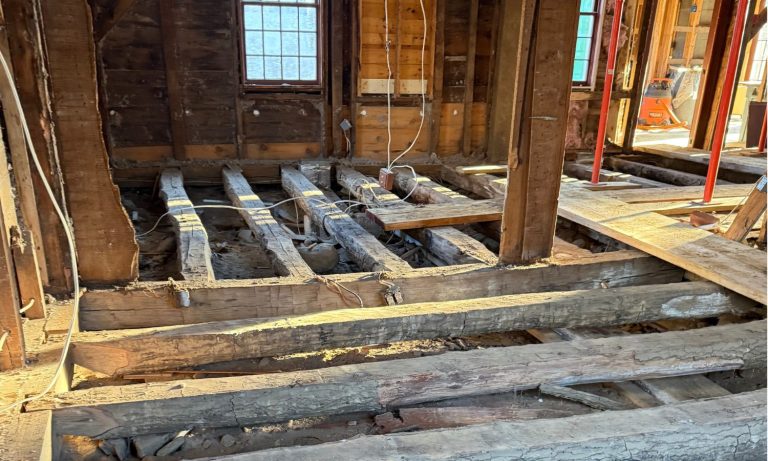
One of the biggest misconceptions among New England homebuyers is that structural damage automatically means a home is beyond saving.
In reality, many structural issues can be repaired successfully when addressed by experienced professionals.
Some common repairs include:
Replacing rotted sill beams
Installing new support posts
Repairing or replacing damaged floor joists
Replacing deteriorated support beams
Reinforcing timber framing
Correcting structural settlement
Addressing moisture issues to prevent future damage
At Colonial Restorations, we regularly work on homes dating back hundreds of years. Many of the structural issues we encounter look alarming at first glance but can be repaired while preserving the home’s historic character.
While many problems can be fixed, some situations require careful financial consideration.
Potential historic home buyers should be cautious when:
Multiple structural systems are failing simultaneously
Significant foundation movement is ongoing
Water problems remain unresolved
The cost of repairs exceeds the home’s value or your renovation budget
Extensive hidden damage is suspected
This doesn’t necessarily mean you should walk away. It simply means you need accurate information before making a decision to purchase a historic property in New England.
One of the smartest investments you can make when buying an older home is a professional structural evaluation. It can help identify issues such as rotting sill beams, compromised framing, and other structural concerns that may not be visible during a standard walkthrough.
A standard home inspection serves an important purpose, but generic inspectors are often limited in what they can assess regarding structural conditions. Historic homes frequently require a deeper level of investigation and knowledge on the subject, particularly in New England, where older construction methods and materials present unique structural challenges.
Our pre-purchase structural evaluations help New England buyers understand:
The true condition of the home’s framing and support systems
Whether structural damage is active or historic
Which repairs may be needed immediately
Which repairs can wait
Potential repair costs
Areas of hidden concern
Whether the home is a worthwhile investment
Most importantly, a structural evaluation gives buyers confidence.
We’ve worked with many homeowners throughout Massachusetts and beyond who were unsure whether to move forward with a purchase. After evaluating the property, we helped them understand exactly what structural issues were present, what repairs might be needed, and what options were available moving forward.
Sometimes that means confirming the historic home you’re buying is a great candidate for structural restoration. Other times, it means helping a buyer avoid a costly mistake.
Many buyers are surprised to learn that some of the oldest historic and colonial homes in New England are also some of the strongest.
The quality of materials used centuries ago can be remarkable. Large timber framing members, old-growth lumber, and traditional construction techniques often provide a solid foundation for restoration work.
When structural issues are addressed properly, these antique homes can continue serving families for generations to come.
In many cases, the character, craftsmanship, and long-term value of a historic property make restoration a worthwhile investment.
Buying a historic house with structural damage can feel intimidating, but it doesn’t always have to be.
The key is understanding the difference between a repairable issue and a major financial risk. With the right information and expert guidance, many buyers discover that the historic home they nearly passed on is actually a great opportunity.
Before making an offer on a historic or Colonial-era home, consider having the property professionally evaluated by structural restoration specialists who understand the unique challenges of older historic buildings in New England.
We provide pre-purchase structural evaluations in Massachusetts (and beyond) to help buyers make informed decisions. Read our blog “What Can Colonial Restorations Do For Me?” to learn more!
If you’re considering buying an older home or property and have concerns about structural damage, we’re here to help you understand what you’re looking at and what options are available before you commit.
Q: Can you buy a house with foundation issues?
A: Yes, many homes with foundation issues can still be worthwhile investments. The key is understanding the severity of the problem, the cost of repairs, and whether the issue is stable or continuing to worsen. A structural evaluation can help you make an informed decision before moving forward.
Q: Is a traditional home inspection enough for an old house?
A: A standard home inspection is an important step, but it may not uncover every structural concern. Home inspectors are generalists and often recommend further evaluation when they identify signs of structural damage. Older homes, especially historic and post and beam structures, often benefit from a specialized structural assessment.
Q: What is the difference between a home inspection and a structural evaluation?
A: A home inspection provides a broad overview of a property’s condition, including systems such as plumbing, electrical, and roofing. A structural evaluation focuses specifically on the home’s framing, foundation, sill beams, support posts, floor systems, and overall structural integrity, all of which should be taken into account prior to purchasing a home. This is a necessary investment for the potential owner of any older home or barn.
Q: Can rotted sill beams be repaired or replaced?
A: In many cases, yes. Rotted sill beams are a common issue in older New England homes and can often be repaired but we often recommend a full replacement, using traditional restoration methods, to properly preserve the character and integrity of the structure for decades to come.
Q: When should I schedule a structural evaluation before buying a home?
A: If you notice uneven floors, cracks in walls or foundations, sticking doors and windows, signs of moisture, or evidence of previous structural repairs, it’s wise to schedule a structural evaluation before finalizing the purchase.
Q: Do Colonial Restorations perform traditional home inspections?
A: Colonial Restorations does not provide traditional home inspections. Instead, we specialize in structural evaluations and restoration of historic homes, post and beam structures, barns, and timber frame buildings. Our assessments focus specifically on structural integrity, helping New England buyers understand existing issues and potential repair options before they purchase.