
Post & beam construction is one of the oldest and most durable building methods in New England. Homes built in the 1700s and 1800s were crafted with massive hand-hewn timbers, traditional joinery, and craftsmanship that is hard to replicate today.
Even though these structures were built to last, over time, moisture, pests, and traditional wear and tear can put a lot of stress on their old frames. When dealing with load-bearing post-and-beams, even one compromised component can impact the entire structure.
If you own an old home, understanding the leading causes of structural failure can help you protect your investment and address small issues before they turn into costly repairs.
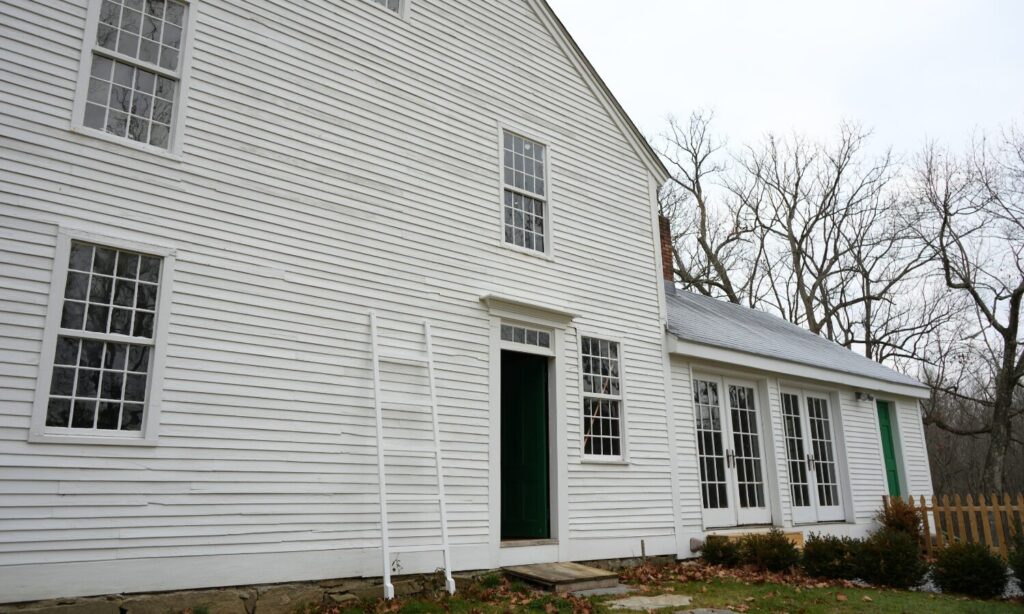
Here are the issues we see most often when restoring post & beam homes across New England:
Moisture is the silent destroyer of historic homes. Unlike modern construction, post & beam frames often sit directly on stone foundations or have minimal moisture barriers.
Over time, water finds its way into sills, posts, beams, and barn floors, leading to:
Homeowners are often surprised to learn that rot doesn’t need standing water; it only requires 16–20% moisture content in the wood to start breaking down fibers.
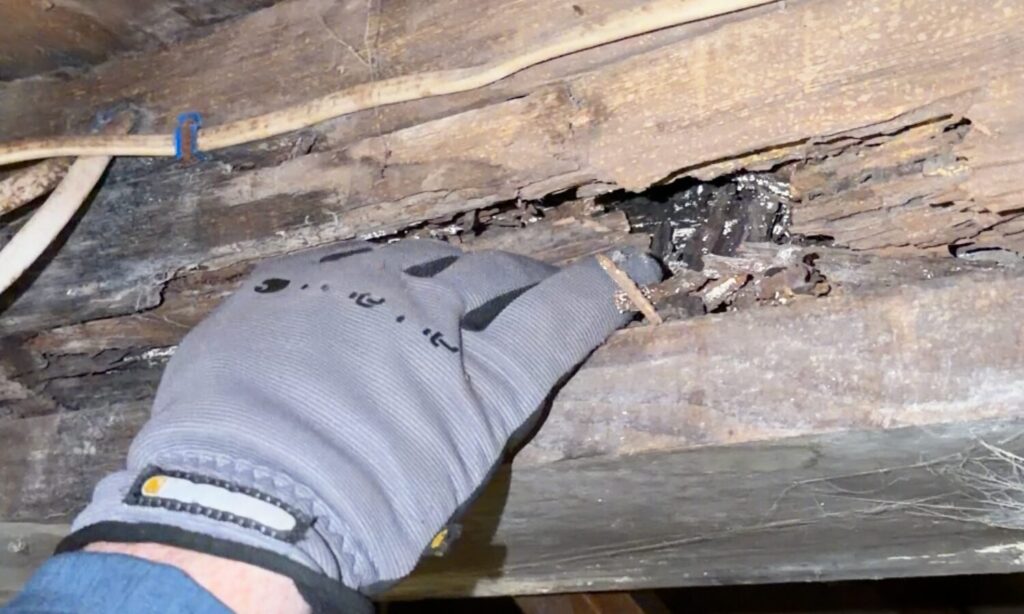
A sill beam can look solid from the outside while being completely deteriorated inside. We uncover this constantly.
Lumber used in most old homes can be incredibly strong, but it’s also incredibly attractive to pests.
Powder post beetles and termites can slowly hollow out beams for decades without obvious symptoms. By the time you notice sagging floors or soft beams, the damage is usually extensive.
Pest damage is often paired with moisture issues, which accelerate deterioration.
Historic homes were typically built on fieldstone foundations, not the reinforced concrete walls we see today. Over 200 – 300 years, it’s natural for these foundations to shift, bow, or settle.
This movement can:
It’s not uncommon to find posts sitting on air pockets where a stone foundation has sunk or shifted away beneath them.
One of the fastest ways to cause major structural issues in a post & beam home? A previous owner with good intentions, but the wrong approach.
We often see:
These shortcuts don’t just fail over time; they make a future repair far more complicated and expensive.
Post & beam structures rely on mortise and tenon joinery secured with hardwood pegs. While incredibly strong, centuries of movement, shrinking, swelling, and stress can loosen those joints.
When joinery begins to fail, the entire building can rack or twist, creating:
Ignoring weakened joinery accelerates structural failure throughout the frame.
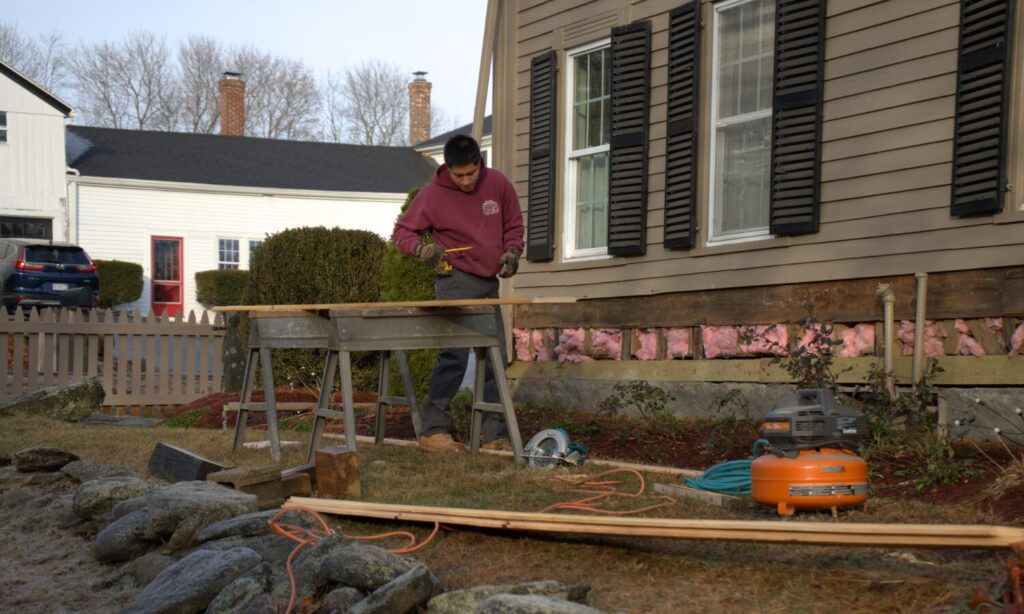
The biggest mistake homeowners make is waiting too long to call a specialist. Structural issues do not fix themselves, and damage accelerates rapidly once a beam, sill, or post is compromised.
Most serious problems begin as small, easily repairable issues.
When discovered early, we can often save original materials to stabilize the structure for decades. The earlier structural damage is detected, the less likely you’ll need invasive repairs that compromise the historic character of the home. When found late, repairs become more extensive and more expensive.
At Colonial Restorations, we specialize exclusively in the repair, stabilization, and restoration of New England’s post & beam and historic timber-frame homes.
If you’re noticing sagging floors, moisture issues, sill rot, insect damage, or anything that just “doesn’t look right,” don’t wait.
Call Brad at 508-290-5298 and schedule a structural evaluation today.