
Structural failure doesn’t happen overnight. In historic homes and barns, it’s usually the result of slow, compounding issues that develop over decades, or even centuries. These buildings were often constructed with incredible craftsmanship, but time, environment, and changing use can place stresses on structures that were never designed for modern conditions.
Structural failure occurs when a building’s load-bearing elements, such as beams, posts, joists, or foundations, can no longer safely support the weight they carry. This can show up as sagging floors, leaning walls, cracked framing, bowed roofs, or in severe cases, partial collapse. In older homes and barns, these failures are often hidden until visible symptoms appear.
Structural issues tend to worsen, not stabilize, over time. Left unaddressed, failure can lead to:
Accelerated deterioration of surrounding framing
Increased repair costs and scope
Safety risks for occupants and property
Loss of historic fabric that cannot be replaced
Early intervention allows for targeted repairs rather than full reconstruction.
Understanding why structural failure occurs is the first step toward repairing it correctly and preserving the structure for future generations.
As structural restoration experts, our work is not about making an old building new, rather, it’s about making it sound, stable, and safe while honoring its original craftsmanship. With the right expertise and a thoughtful approach, historic homes and barns can continue standing strong for generations to come.
If you’re noticing signs of movement, sagging, or deterioration, a professional structural evaluation can help determine whether structural failure is developing, and what can be done to stop it.
Colonial Restorations, LLC specializes in structural restoration and repair of historic timber frame structures, including sill replacement, structural inspections, and evaluations throughout New England.
Call: 508-299-5060
Email: info@cr1981.com
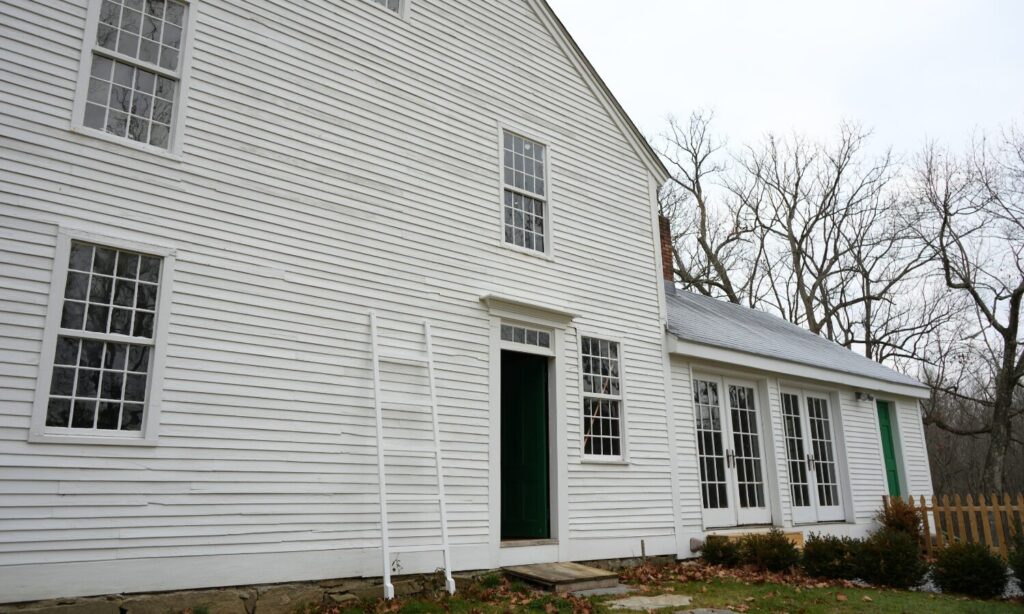
If you own an old home, understanding the leading causes of structural failure can help you protect your investment and address small issues before they turn into costly repairs. Here are the issues we see most often when restoring post & beam homes across New England.
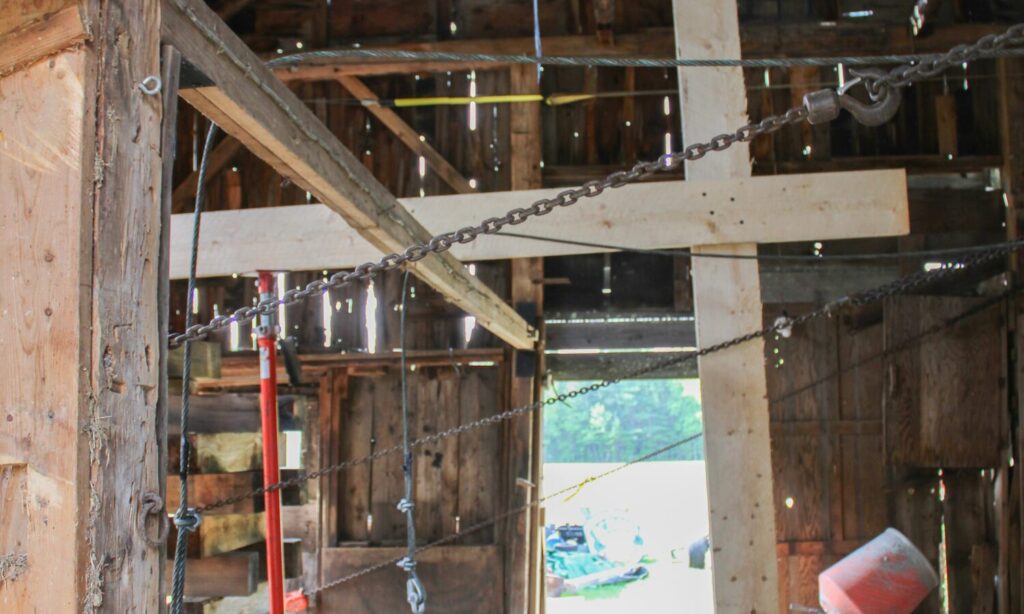
Many structural issues in historic homes develop slowly and can go unnoticed for years. Moisture, natural movement, and the passage of time often cause problems where heavy timbers connect, placing stress on the mortise and tenon joints that hold the frame together. The good news is that these issues usually show warning signs if you know where to look.
In this article, read about how these joints function, why they fail, and what that means for your old or historic New England home.
Sagging floors rarely happen for just one reason.
In historic homes, the causes are often cumulative and develop slowly over decades.